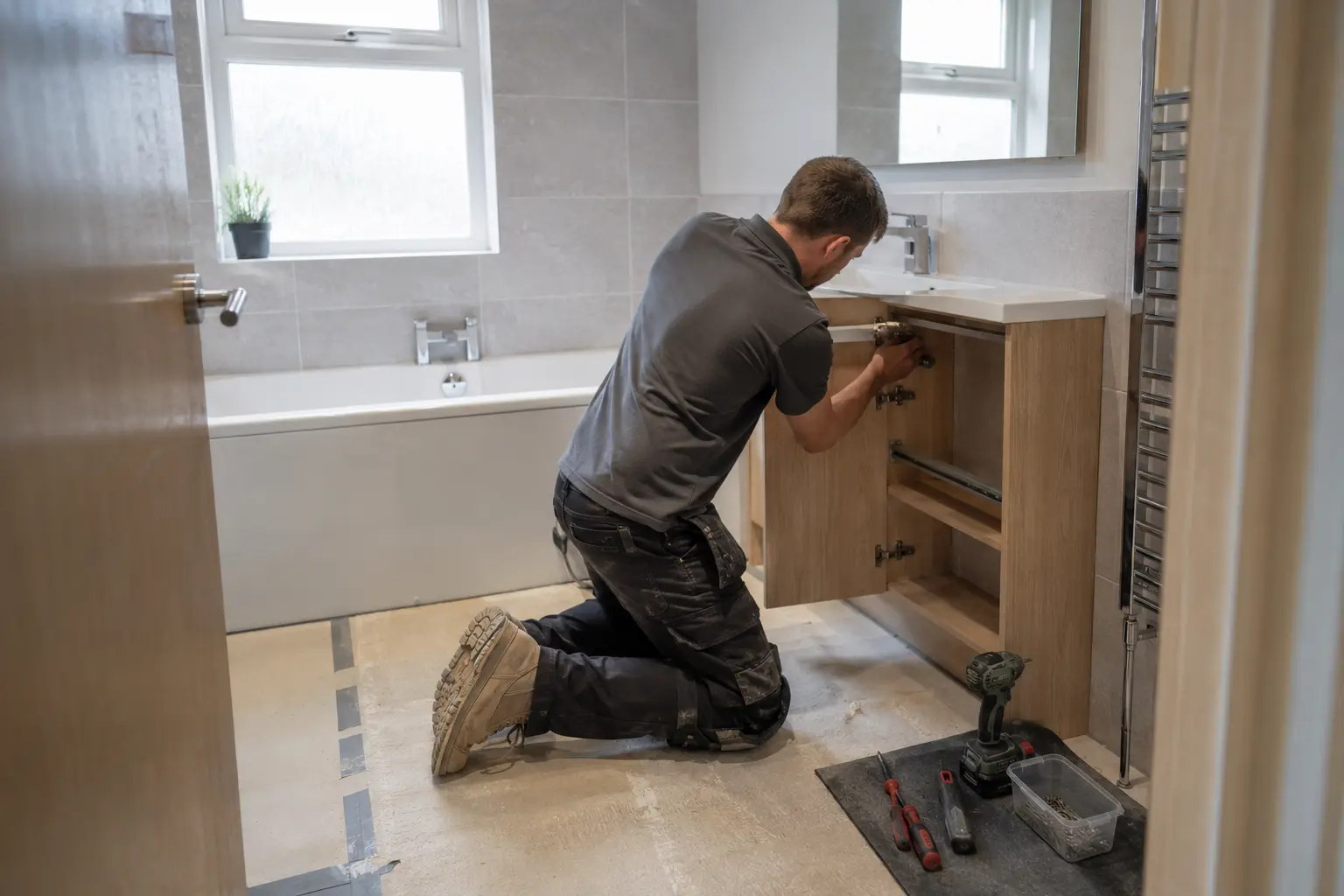
Why there is no single fitting time
The time needed to fit a bathroom depends on the room, the work and the products. Replacing a suite in the same positions can be simpler than building a wet room or repairing a damaged floor. The number of days on site also differs from the time spent choosing products, waiting for deliveries and arranging a start date.
Ask for a schedule based on your bathroom after the home visit. A general estimate can help you plan, but it should not be treated as a promise before the room is checked. Find out which decisions and deliveries must be complete before the agreed work can begin.
Measuring and making final choices
The first stage is checking the room and agreeing what will be fitted. Measurements need to include door openings, pipe positions, clear floor space and the route for carrying products inside. The fitter also needs to understand any changes to heating, lighting or ventilation, because those affect the work behind the finish.
Use this stage to settle the main products, colours and layout. Late changes can disturb work already planned. Ask when each item must be confirmed and whether a particular product has a longer delivery time. Keep the final list with the quote so that everybody is working from the same choices.
Preparing for the start date
Before removal begins, agree where the new products will be stored and how the route through the house will be protected. Empty the bathroom cupboards and move personal items somewhere accessible. If you live in a flat, discuss shared stairs, unloading and any arrangements that neighbours or the building manager need to know about.
Most importantly, agree how you will manage without the room. The toilet, basin, bath and shower may be unavailable at different times. Do not assume the toilet can be reconnected every evening. Ask directly and arrange another suitable facility if it cannot. This matters especially in a home with one bathroom.
Removal and checks underneath
The old suite and finishes come out before the new room can be prepared. This is when hidden leaks, damaged boards or unsuitable walls may become visible. The fitter should explain any problem that changes the agreed work and discuss the price and timing before additional repairs proceed.
A repair can affect several later stages. For example, a damaged floor may need work before the shower base can be installed. Keep some flexibility in your plans rather than booking another trade immediately after the earliest possible finishing date. Ask who will update you and how quickly a changed schedule will be confirmed.
Plumbing, electrics and preparation
Pipes, waste connections and electrical work are normally arranged before they are covered by finished walls or floors. The exact order depends on the system and room. Shower controls, lights, fans and heated floors need the right connections and checks, so their positions should already be agreed.
Wall and floor preparation follows the requirements of the chosen products. Waterproofing may involve boards, membranes, sealed joints or a complete wet-room system. Some materials need time to dry or harden before the next stage. Ask the fitter which waiting periods apply; rushing those stages to gain a day can undermine the work that follows.
Wall finishes, flooring and final fittings
Once preparation is ready, tiles or panels and the floor finish can be fitted in the agreed order. Cutting, setting out and finishing corners take time, particularly around awkward walls or a detailed pattern. The bathroom suite, furniture, taps, screens and accessories are then fitted as the layout and products require.
Avoid introducing extra shelves, niches or different fittings at this stage without discussing the effect first. A small-looking change can require opening finished work. If you notice something that differs from the agreed plan, raise it promptly. It is usually easier to discuss a correction before nearby work is completed and sealed.
Testing and knowing when to use the room
The final stage is more than clearing the tools away. Water connections, drainage, controls, ventilation and seals need checking. Ask to be shown how the shower, fan and other controls work. Keep product instructions and any relevant test documents somewhere you can find them later.
Confirm when you can first use the bath or shower. Sealants and other materials may need a stated curing period even if the room looks finished. Walk through the bathroom with the fitter and record any remaining items, together with how they will be resolved. A clear handover gives you a practical end to the job and a contact route if a problem appears afterwards.
Do not discard packaging and product labels until everything has been checked. Model numbers and order details make it easier to identify a missing part or arrange a replacement. Keep the room ventilated as advised and follow the care instructions rather than applying a new cleaning product immediately.
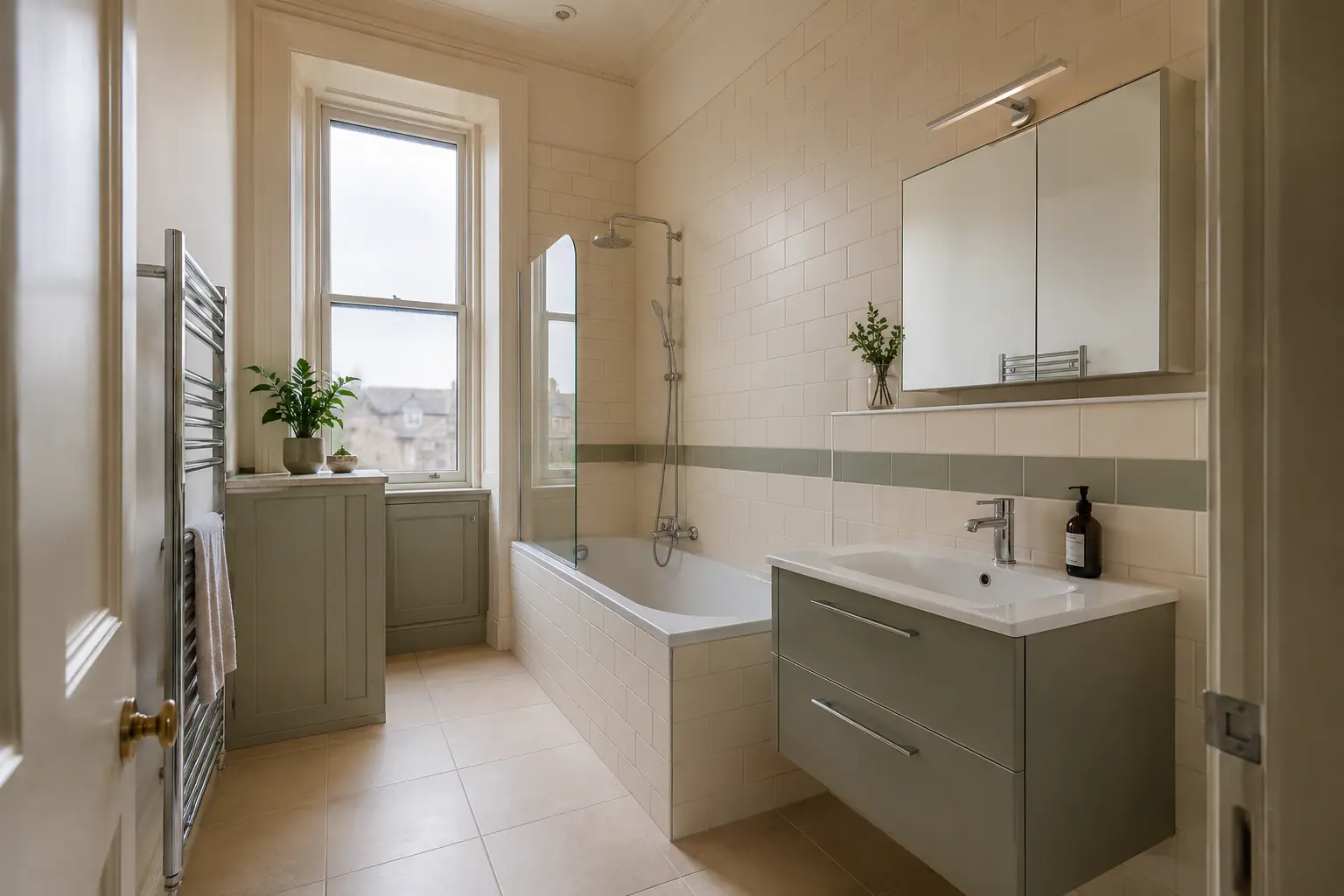
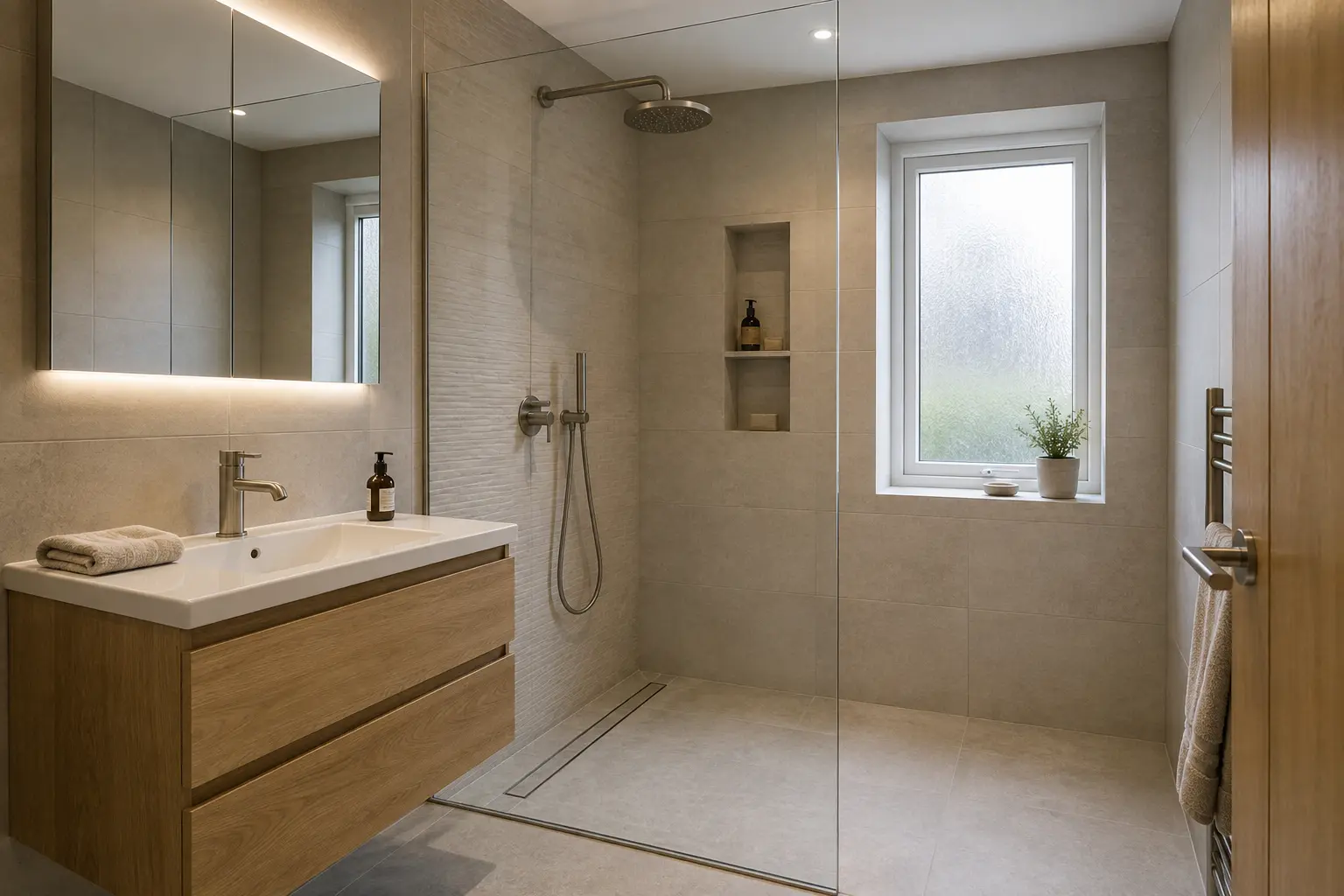
For help with the work described here, see our bathroom costs and quotes in Glasgow.
What to remember
Agree the stages and temporary bathroom arrangements before removal starts.Bathroom fitters Glasgow
Get a quote for your Glasgow bathroom
Tell us what needs changing and add your postcode. We will contact you about the work.