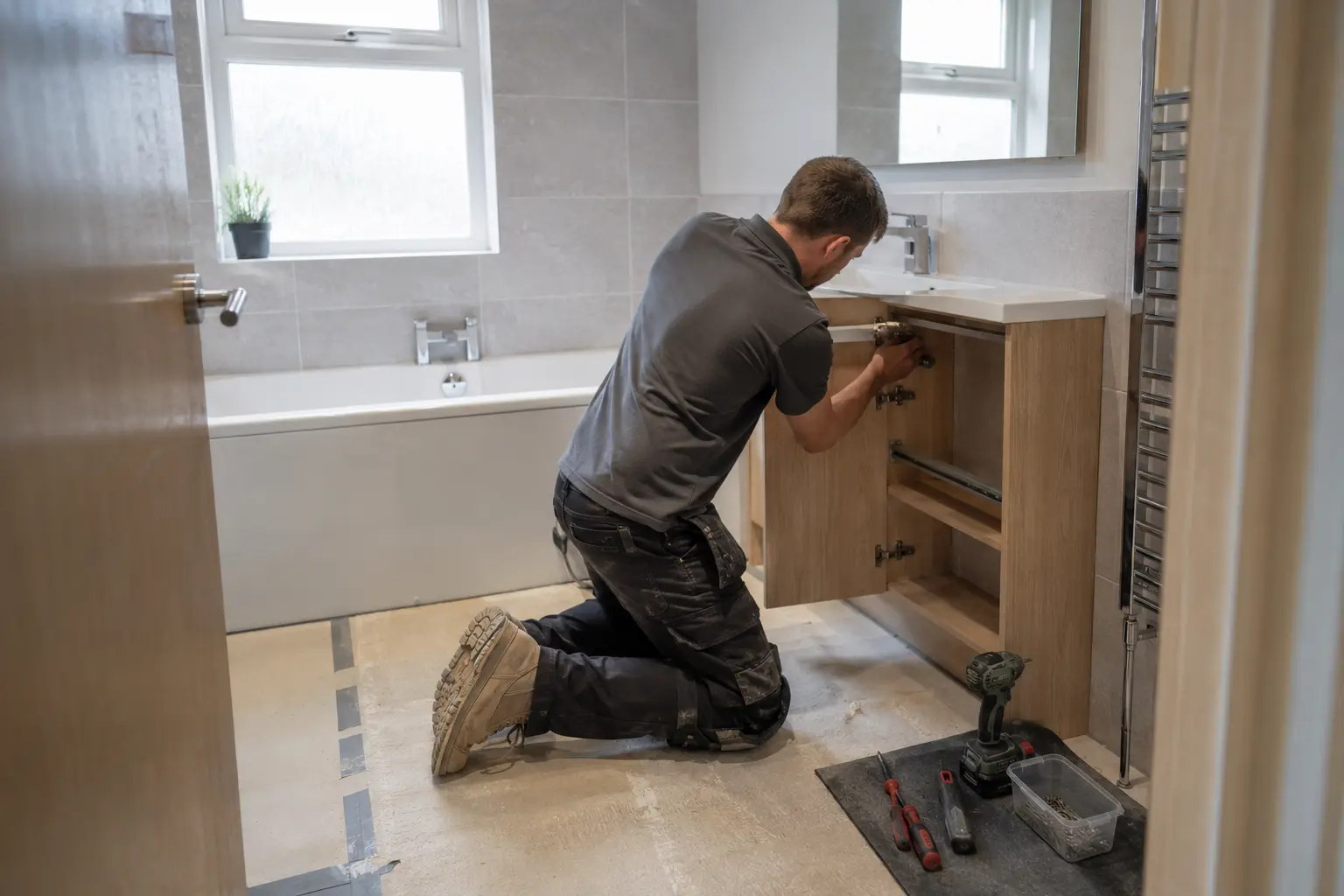
What a home visit can and cannot show
A home visit can reveal an uneven floor, poor ventilation or a layout that needs new pipes. It cannot show every board behind the tiles or every joint beneath the bath. Some renovation costs only become clear when old fittings are removed. Planning for that possibility is sensible; treating every unknown as a reason for an open-ended bill is not.
Ask the fitter to explain the visible concerns and the parts that cannot yet be checked. Put those notes beside the quote. You can then tell the difference between a repair already discussed and a genuinely unexpected problem found during the work.
Water damage behind the finish
A small leak can damage materials out of sight. Soft flooring beside a bath, loose tiles or staining on the ceiling below may suggest that more than the surface needs attention. Covering the area with new panels or flooring does not repair the cause of the leak or restore damaged boards.
If damage is found, ask to see it before it is covered. The fitter should explain what needs replacing and why. Drying or further investigation may affect the schedule as well as the price. Keep a record of the proposed repair and approve the cost before extra work proceeds, apart from any immediate action needed to prevent further damage.
Old pipes and awkward waste routes
Existing pipework may not be in the position needed for the new layout. A basin cabinet with drawers can clash with a waste pipe that fitted behind the old basin. A lower shower tray may leave less room for the trap beneath it, which holds water to stop drain smells. These differences can lead to plumbing changes even when the fittings appear to stay in roughly the same place.
Give the fitter the actual product details before ordering. Ask them to check connection positions and access for future repairs. If a pipe has to move, find out whether that also means lifting the floor, opening a wall or changing the cover built around it.
Walls that need rebuilding
Old tiles sometimes come away with plaster or expose boards that are unsuitable for a wet area. New large tiles can also need a flatter surface than the finish they replace. The preparation required depends on the existing wall and the chosen system, rather than on the appearance of the new tile alone.
Ask how much wall repair is allowed for and whether replacement boards are included. Check that the price covers joints, corners and the other parts needed for the waterproofing system. It is better to understand those items before work starts than to discover that the quote covered only tiles and adhesive.
Electrical and ventilation changes
A new electric shower, illuminated cabinet or heated floor may need changes to the electrical installation. The existing circuit is not automatically suitable just because another appliance was connected before. A qualified electrician should check the proposed equipment and explain the work needed to fit it safely.
Ventilation can also add work that is easy to overlook. The fan needs a suitable route to discharge outside, and access to that route may be difficult in some rooms. Ask whether the quote includes the fan, ducting, external outlet and electrical work. Replacing the visible fan alone will not necessarily solve a blocked or unsuitable duct.
Missing parts and changes of mind
Unlisted parts can increase a product bill. Check bath panels, drain fittings, shower screens, taps, cistern frames, handles and trims against the chosen suite. A low initial price is less helpful if essential items arrive as separate charges. Keep one complete product list so nothing relies on memory.
Changing products after fitting starts can cost money too. A different basin may need new pipe positions; a larger mirror may clash with lights already wired. Agree a point for final choices before materials are ordered. If you change something later, ask about both the product price and the extra fitting time.
Keep a clear record of extra work
Set aside part of your budget for unknown repairs, with the amount guided by the room’s condition and the fitter’s assessment. There is no single percentage that makes every bathroom safe from surprises. An older room with signs of leaks may need more allowance than a straightforward replacement in sound surroundings.
For each extra, record the problem, proposed work, price and effect on timing. Ask whether there is a suitable alternative before agreeing. This keeps decisions practical: you are paying to fix a specific issue, not simply accepting a vague charge for “unforeseen works”. Once repairs are complete, keep photographs and updated documents with the original quote.
For a flat, check whether work touches shared pipework or another owner’s property. Any necessary access or approval should be discussed before the start date. The fitter needs to know about these restrictions when planning the job, rather than discovering them after the old bathroom has been removed.
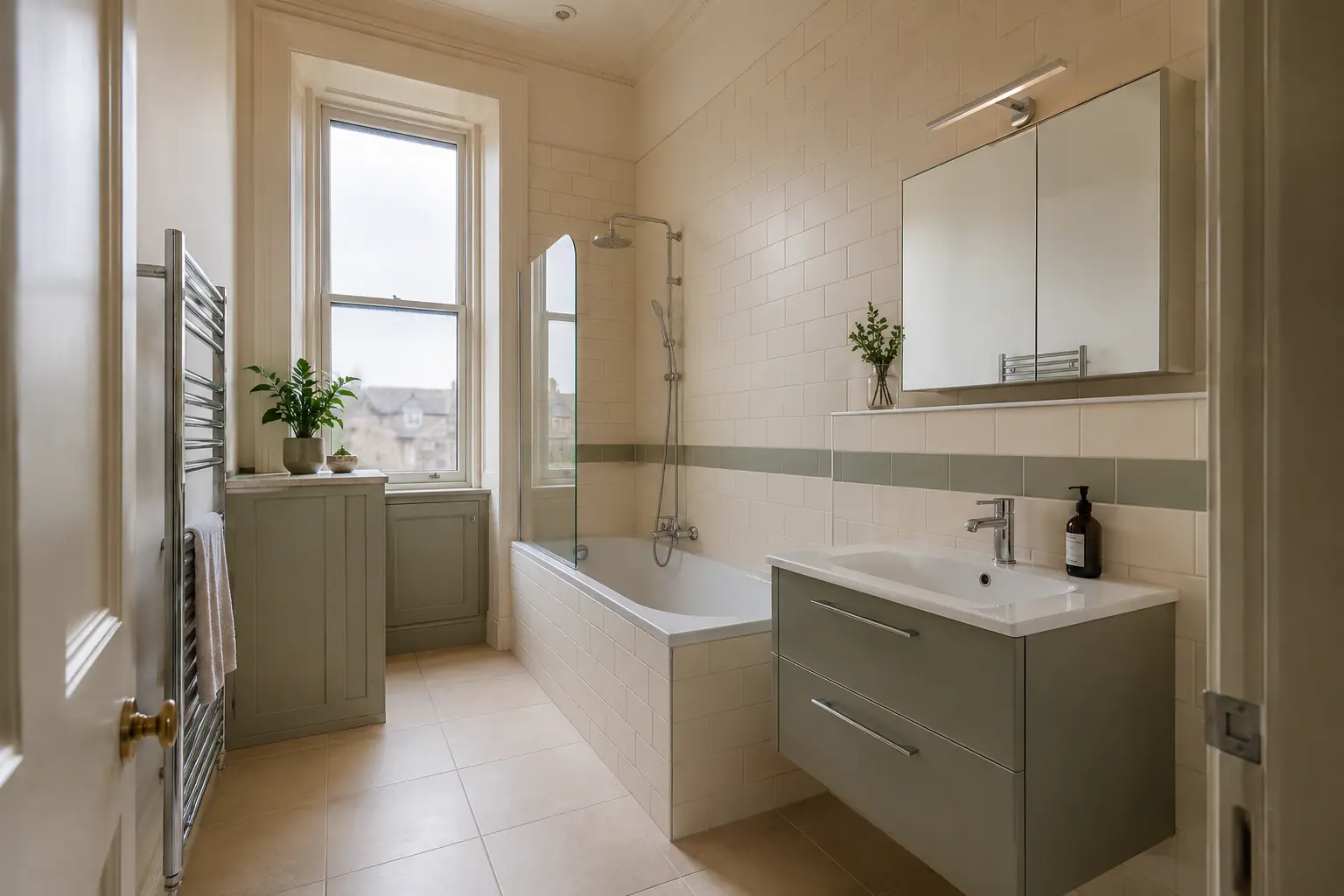
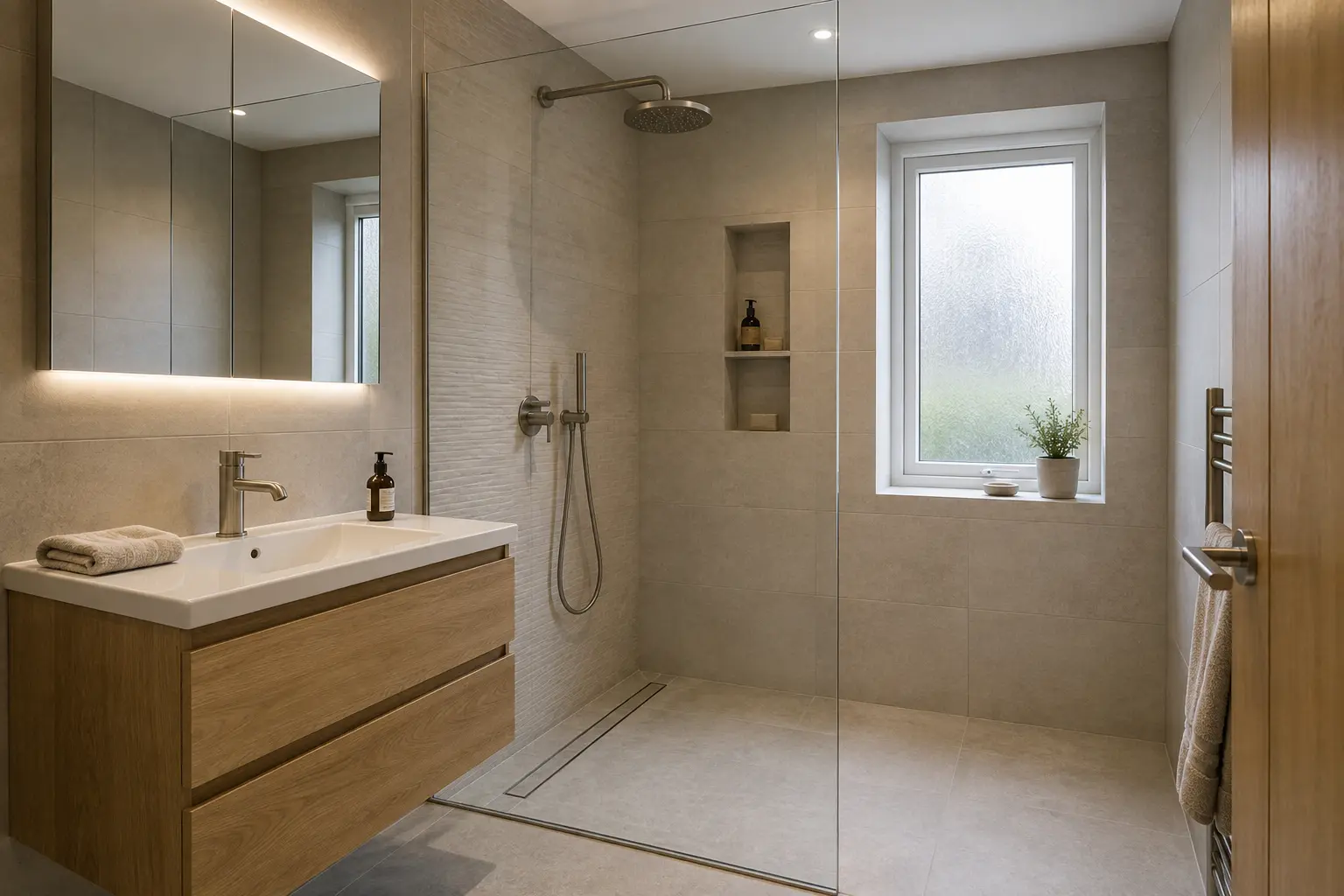
For help with the work described here, see our bathroom costs and quotes in Glasgow.
What to remember
Keep money available for hidden repairs and agree extra costs before the work proceeds.Bathroom fitters Glasgow
Get a quote for your Glasgow bathroom
Tell us what needs changing and add your postcode. We will contact you about the work.