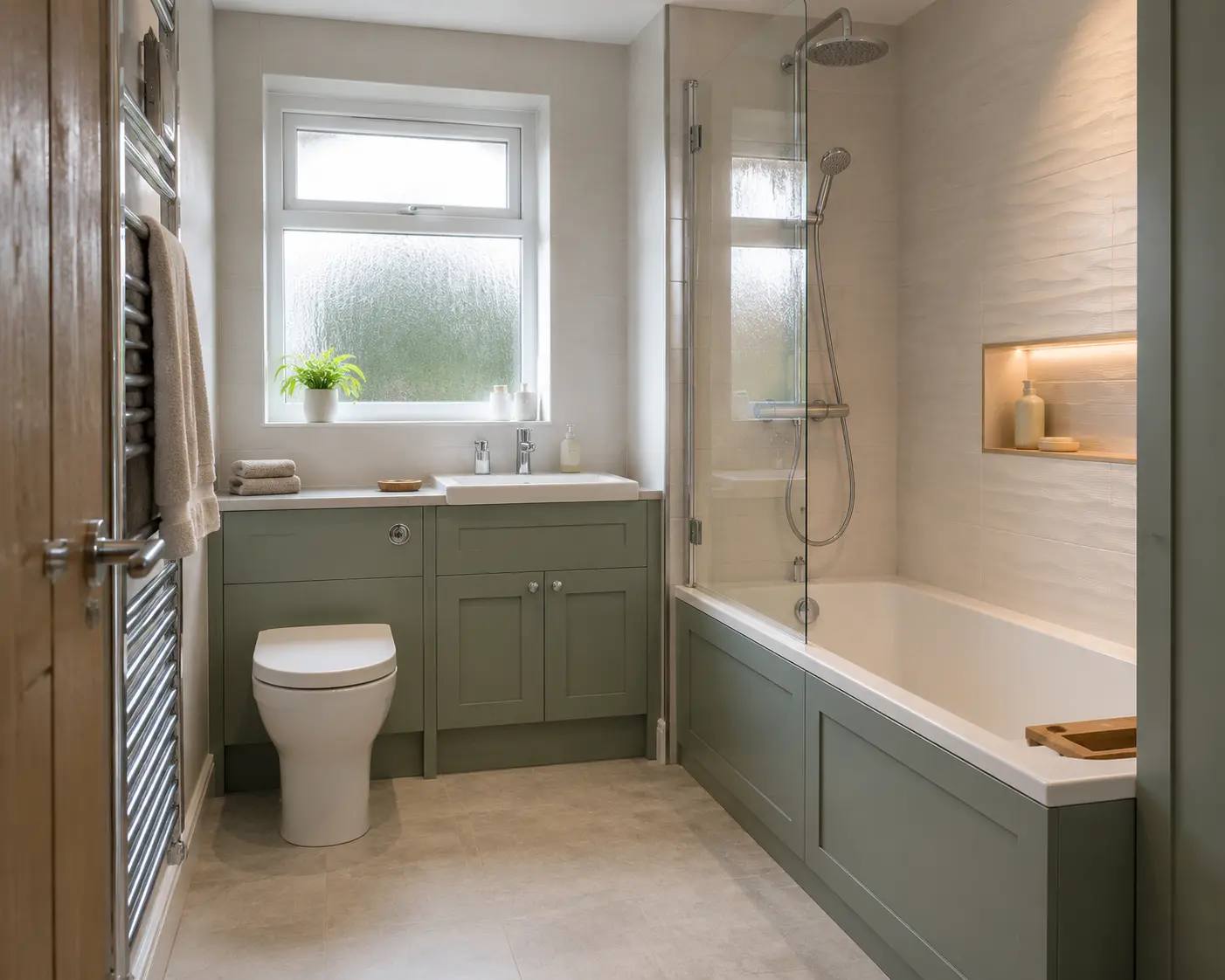
Spend on the changes you need most
A bathroom budget goes further when it starts with the problems you want to solve. Write down the things that make the current room difficult: a leaking shower, little storage, a worn bath or a door that hits the basin. Then separate essential repairs from changes you would simply enjoy. Both matter, but they do not all need the same share of the budget.
Take that list to the home visit. It gives the fitter a clear starting point and helps you compare alternatives. You may find that a better basin cabinet and shower screen improve daily use more than a costly feature wall or a larger bath.
Check whether the layout can stay
Keeping useful pipe positions can reduce work beneath floors and inside walls. If the toilet, bath and basin already sit comfortably, the money saved by keeping that arrangement could go towards better storage or a more suitable shower. The existing layout should still be checked for access, leaks and product compatibility.
Do not keep a bad arrangement solely because it looks cheaper. A small move may solve a daily problem for many years. Ask for the cost difference between the layouts and the work each requires. That lets you decide whether the improvement is worth the extra fitting rather than ruling it out too early.
Choose standard sizes where they fit
Standard-sized baths, trays and cabinets can offer more choice than made-to-measure products. They may also be easier to replace later. Measure carefully, including doors, corners and the space needed to use drawers. A cheaper cabinet is not good value if it prevents the bathroom door from opening properly.
An awkward room does not necessarily need everything custom-made. One shelf or cupboard built for an alcove may solve the storage problem while the main fittings remain standard. Ask which items genuinely need a special size. Compare the complete fitted cost, including any extra carpentry or boxing needed around a supposedly cheaper alternative.
Compare finishes by the full fitted price
Tiles, panels and flooring have different preparation and fitting needs. A low price per square metre does not tell you the final cost. Include adhesive, waterproofing where required, trims, cutting, waste and labour. A complicated pattern can take longer to set out than a straightforward arrangement using the same tile.
You can also vary how much of the room is covered. The shower needs the specified water-resistant system, while other suitable walls may allow a painted finish. Discuss that with the fitter rather than assuming every wall must be tiled to the ceiling. Choose finishes that suit cleaning and everyday wear as well as the initial budget.
Keep sound fittings only when practical
Reusing a good towel rail, mirror or toilet may save money, but ask whether removal and refitting are sensible. An old fitting may have worn seals, unavailable parts or connections that no longer suit the new layout. The labour involved can reduce the saving, particularly if the item needs careful removal.
Be specific about what will stay. Record its condition and agree who is responsible if it cannot be reused after removal. Consider the appearance beside the new products too: two whites or metal finishes may not match. Keeping one useful item can work well, but it should be an informed choice rather than a last-minute assumption.
Avoid cheap products that create extra work
Check the full specification before buying a bargain online. Confirm dimensions, included parts, water-supply requirements and access for servicing. Ask the fitter to review the exact model. A bath that arrives without a suitable panel or a shower valve that needs unexpected plumbing can quickly lose its price advantage.
Find out how damaged or incorrect items would be replaced and who handles the order. If you buy products yourself, agree delivery dates before booking fitting. Store them safely and have them checked in good time. A missing screen or broken basin can delay other work even when the purchase price looked attractive.
Protect the work you cannot see
Cutting waterproofing, electrical checks or necessary floor repairs is a poor way to reduce the bill. Those parts support the finished room and can be expensive to reach once everything is fitted. If the total is too high, ask about simpler products or fewer decorative changes before reducing essential preparation.
Keep your chosen products and agreed work in writing. Confirm how extras will be approved and keep some money available for hidden damage. A sensible budget is not just the smallest number on the quote: it is a complete plan for the work the bathroom actually needs, with fewer surprises once the old room comes out.
Compare cleaning and replacement costs too. A finish that needs specialist cleaning or a concealed fitting with difficult access may cost more to look after. Ask how ordinary parts such as a shower cartridge, toilet seat or cabinet hinge can be replaced when they eventually wear.
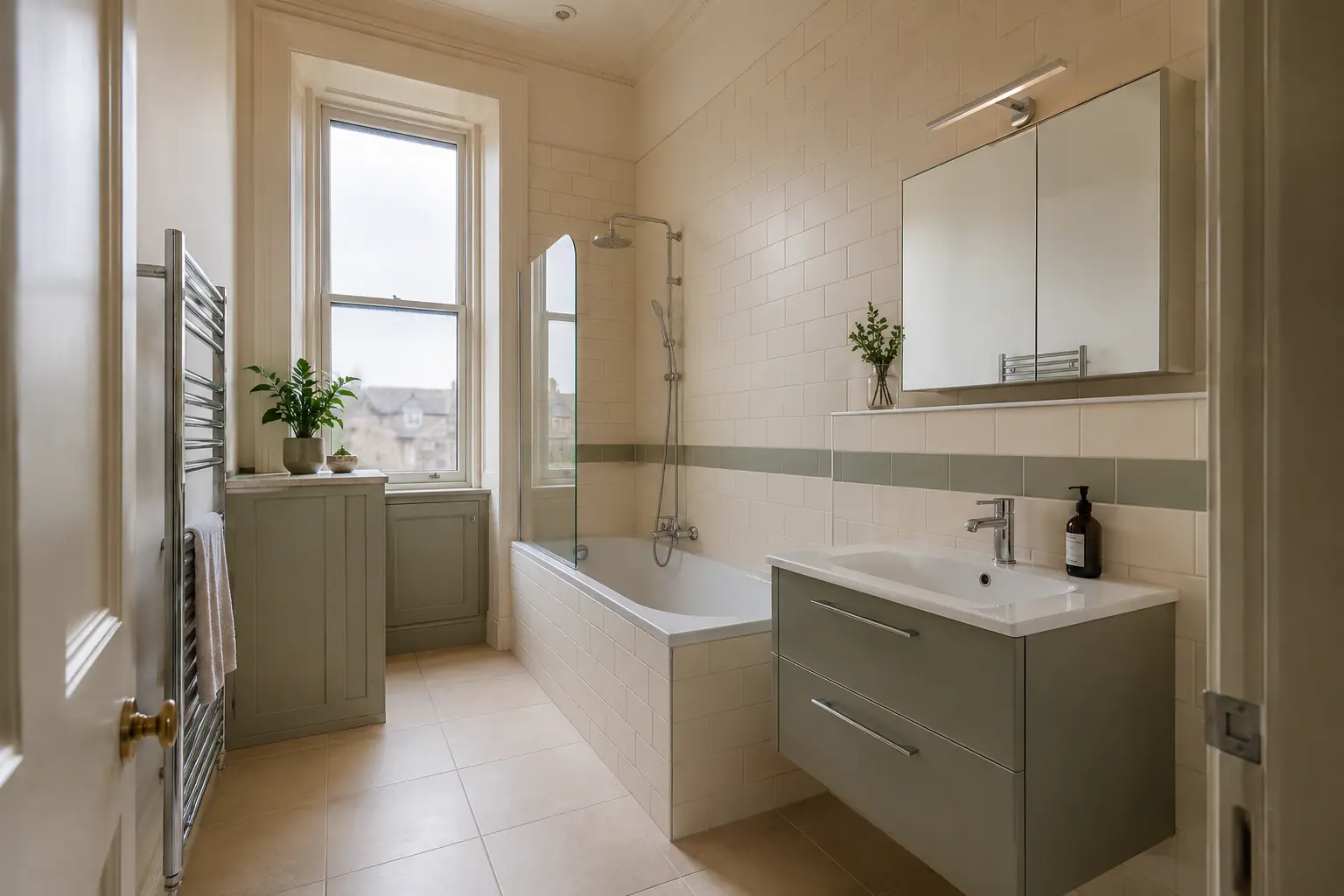
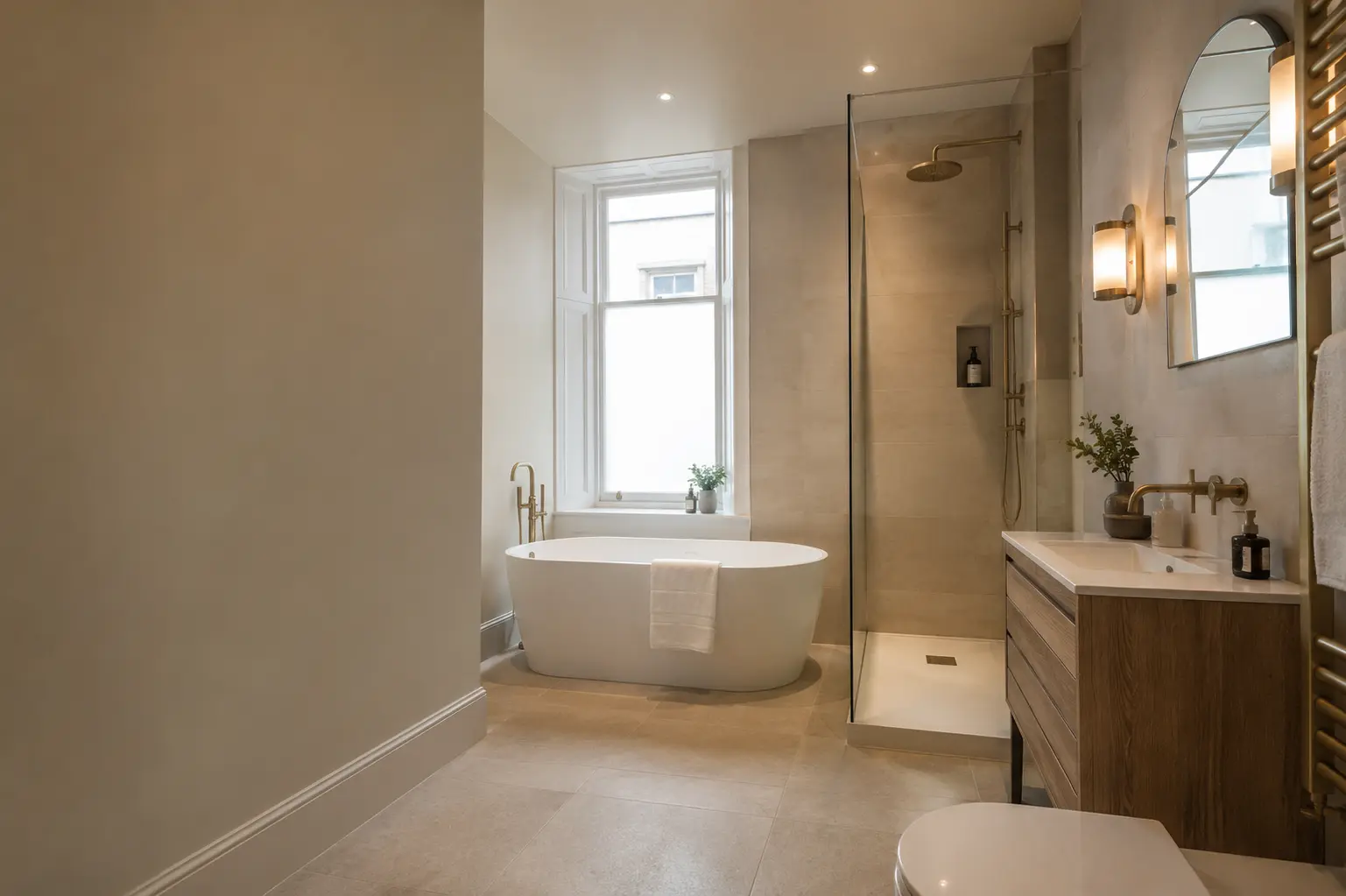
For help with the work described here, see our bathroom costs and quotes in Glasgow.
What to remember
Compare simpler fittings before cutting necessary preparation and repairs.Bathroom fitters Glasgow
Get a quote for your Glasgow bathroom
Tell us what needs changing and add your postcode. We will contact you about the work.