Start with what you need to store
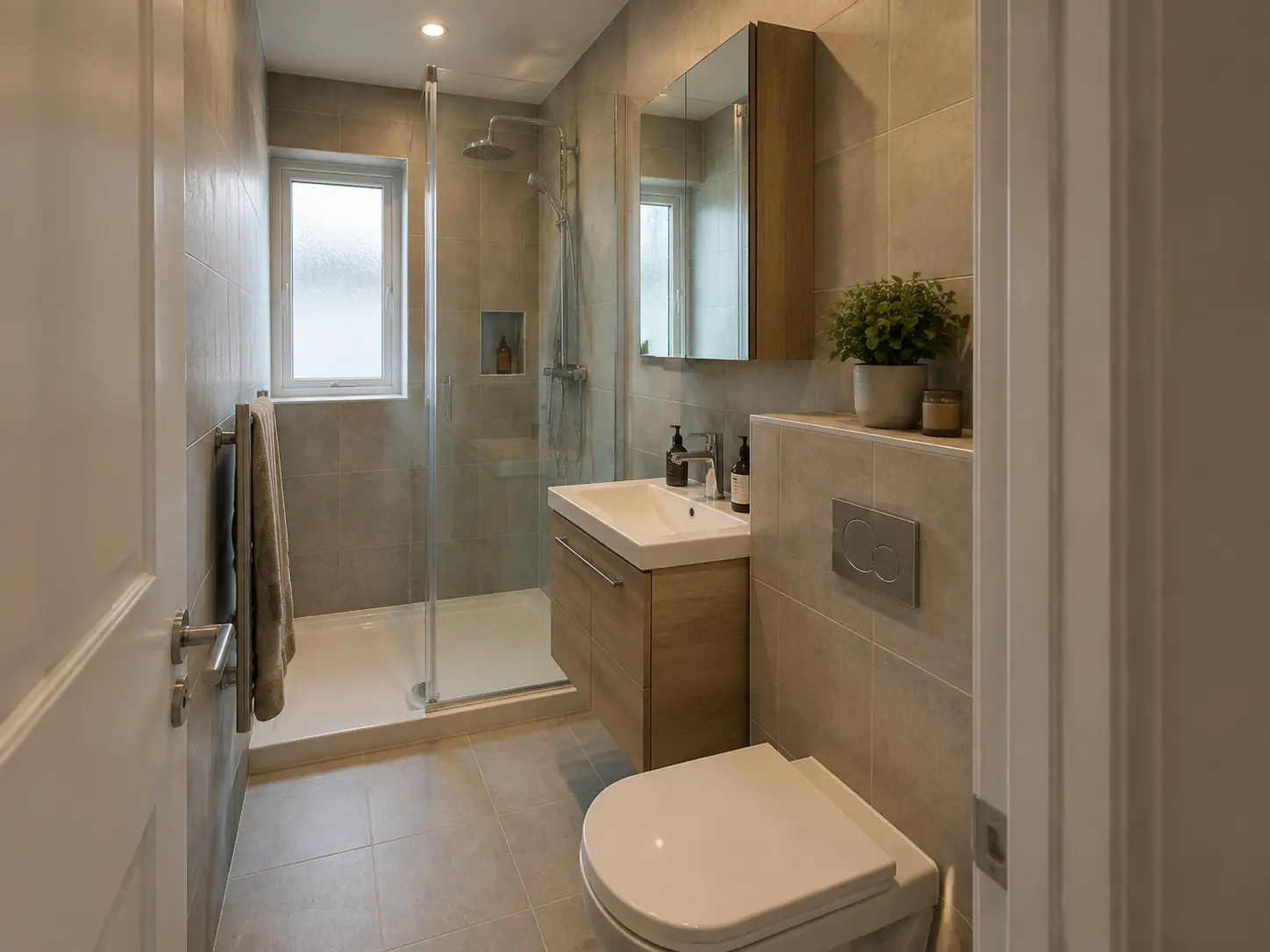
Before buying a larger cupboard, empty the bathroom storage and sort what is there. Separate everyday toiletries, spare supplies, towels, cleaning products and items that belong elsewhere. You may need several small storage places rather than one deep unit. Keep the things used each morning within easy reach and put occasional supplies somewhere less prominent.
This also helps you judge the right cabinet depth. Tall bottles, folded towels and electric toothbrushes do not need the same space. Measure a few of the items you actually use. A cabinet that looks generous in a photograph can have less usable room once hinges, shelves and pipework are inside.
Compare drawers with cupboard doors
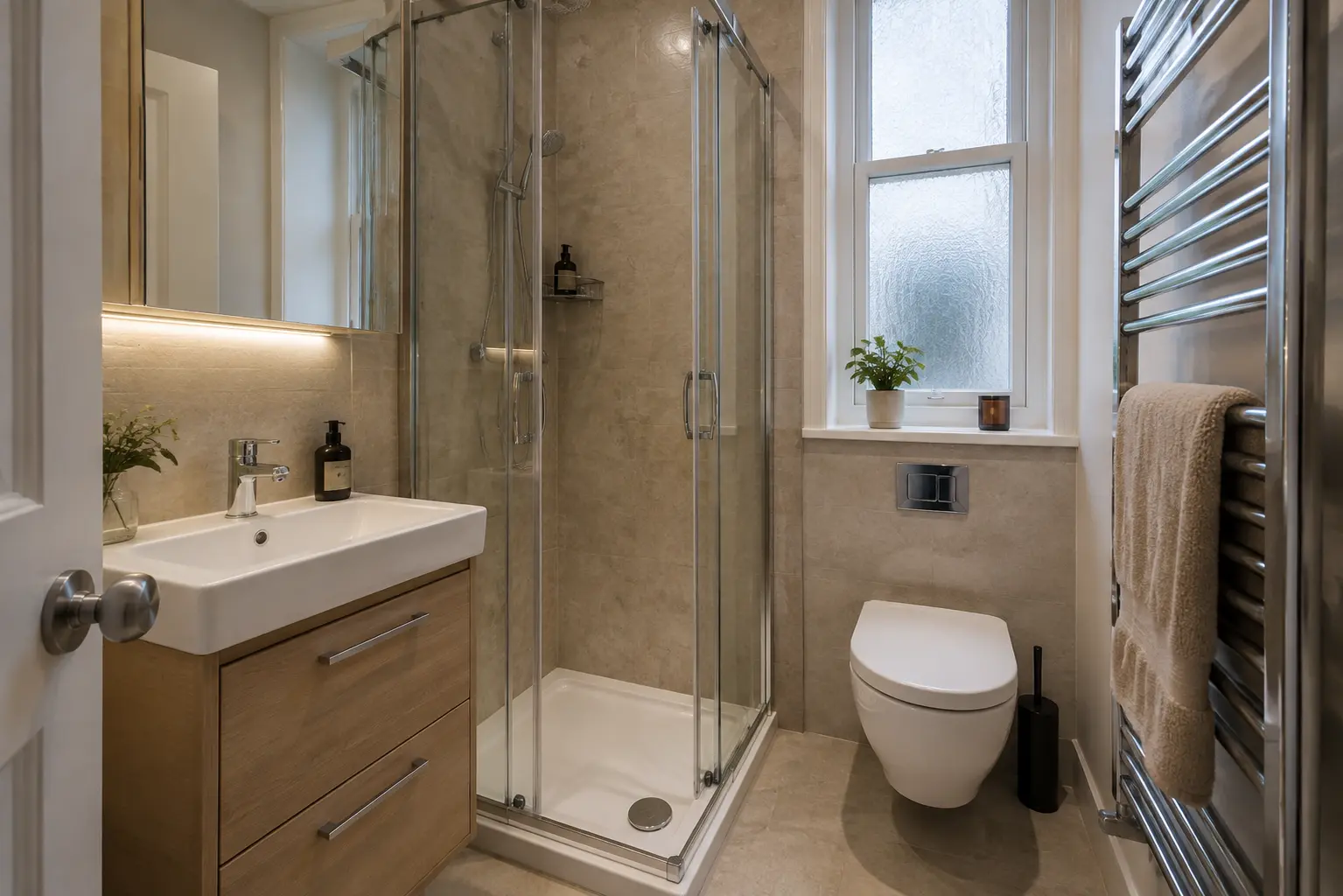
Drawers beneath a basin let you see the contents without reaching far into a cupboard. They can work well for toiletries, but the basin drain and pipe may reduce the available space. Check the inside layout of the exact model rather than assuming every drawer is full depth. The drawer must also open clear of the toilet and entrance door.
A cupboard can suit taller bottles or awkward pipework, especially if shelves can be adjusted. Look at how far its doors swing and where you would stand to use it. Neither option is automatically better: the useful choice is the one that fits your room and holds the things you need.
Use the wall above the basin
A mirror cabinet can combine two jobs without using more floor space. Check its depth at the basin so you can lean forward comfortably. The doors should open without striking a light, wall or nearby shower screen. Decide whether you need shelves for small items or space for taller containers before choosing the cabinet.
Illuminated cabinets and charging points need suitable electrical planning. Ask an electrician to check the product and position rather than running an ordinary extension lead into the bathroom. If a recessed cabinet is proposed, the wall depth, structure and services need checking before a hole is made.
Put shower products within reach
Bottles on the shower floor can be difficult to reach and get in the way of cleaning. A shelf, caddy or niche can keep them nearby. Choose a position where the user can reach comfortably without twisting or stretching. Check the height of the tallest bottle, including its pump, before fixing the shelf spacing.
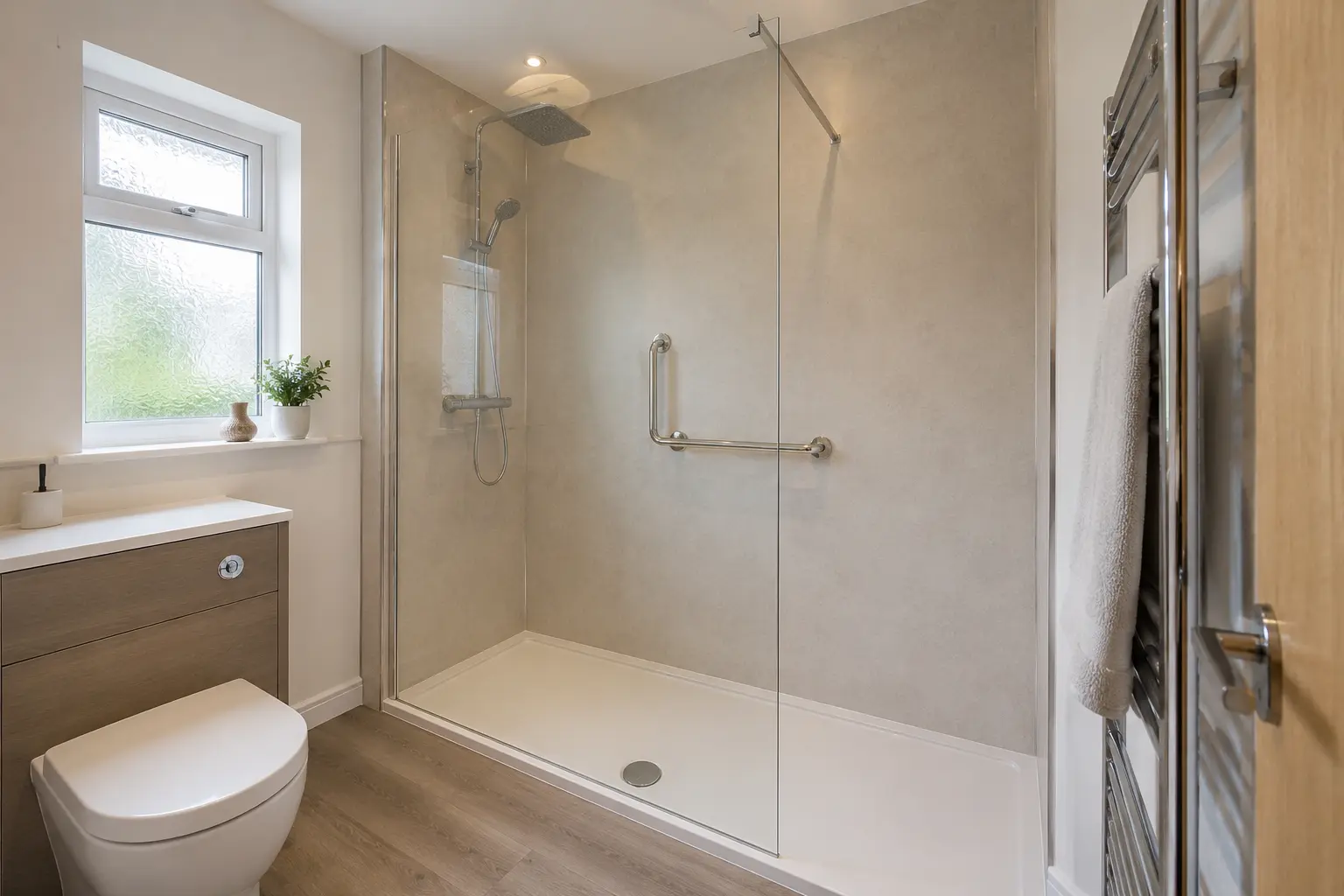
A niche is a recess built into the wall. It needs a suitable construction and waterproofing, so it is usually easier to plan during a renovation. Where that is not practical, a correctly fitted surface shelf may do the job. Avoid placing storage where it reduces the entrance or interferes with a support rail.
Make narrow spaces useful
A slim cabinet can sometimes fit beside a basin, toilet or an existing cover around pipes. Measure the clear space carefully and allow for doors, skirting and wall irregularities. Filling every gap is not always helpful: leave enough room to clean and to reach valves or other parts that may need maintenance.
Open shelves can use an alcove without a large unit, but they work best for a small number of tidy items. Too many bottles can make a compact room feel crowded. If dust and cleaning are a concern, a closed cupboard may be more useful than several decorative shelves that need frequent wiping.
Give towels somewhere to dry
Towels need a drying place as well as a storage place. A cupboard full of spare towels does not solve the problem of wet towels left on the floor. Check the number of people using the room and where they can hang a towel without covering a control, doorway or ventilation opening.
A heated towel rail needs suitable heating or electrical connections, depending on the model. Consider its usable hanging space rather than judging only its height. Hooks can help in a compact room, but they should be fixed to a suitable surface and placed where towels do not trail into the toilet or shower area.
Keep storage safe and easy to maintain
Store cleaning products and medicines where children or other vulnerable people cannot reach them. A low basin cabinet may be convenient for toiletries but unsuitable for those items. Avoid overloading wall shelves or relying on fittings that are not designed for the weight. The wall and fixings matter as much as the shelf itself.
Choose furniture intended for bathroom conditions and follow its care instructions. Wipe up standing water rather than allowing it to collect around edges and joints. Before ordering, ask how a damaged hinge, drawer runner or handle can be replaced. Useful storage should make mornings and cleaning easier, not add a row of awkward corners and hard-to-reach surfaces.
Leave a little spare capacity rather than filling every shelf on the first day. Household needs change, and a cupboard that only just holds today’s bottles can soon become difficult to use. Adjustable shelves help, provided they still leave access to any pipes or valves behind them.
For help with the work described here, see our small bathroom fitting in Glasgow.
What to remember
Keep everyday items within reach and leave cupboards enough room to open.Bathroom fitters Glasgow
Get a quote for your Glasgow bathroom
Tell us what needs changing and add your postcode. We will contact you about the work.