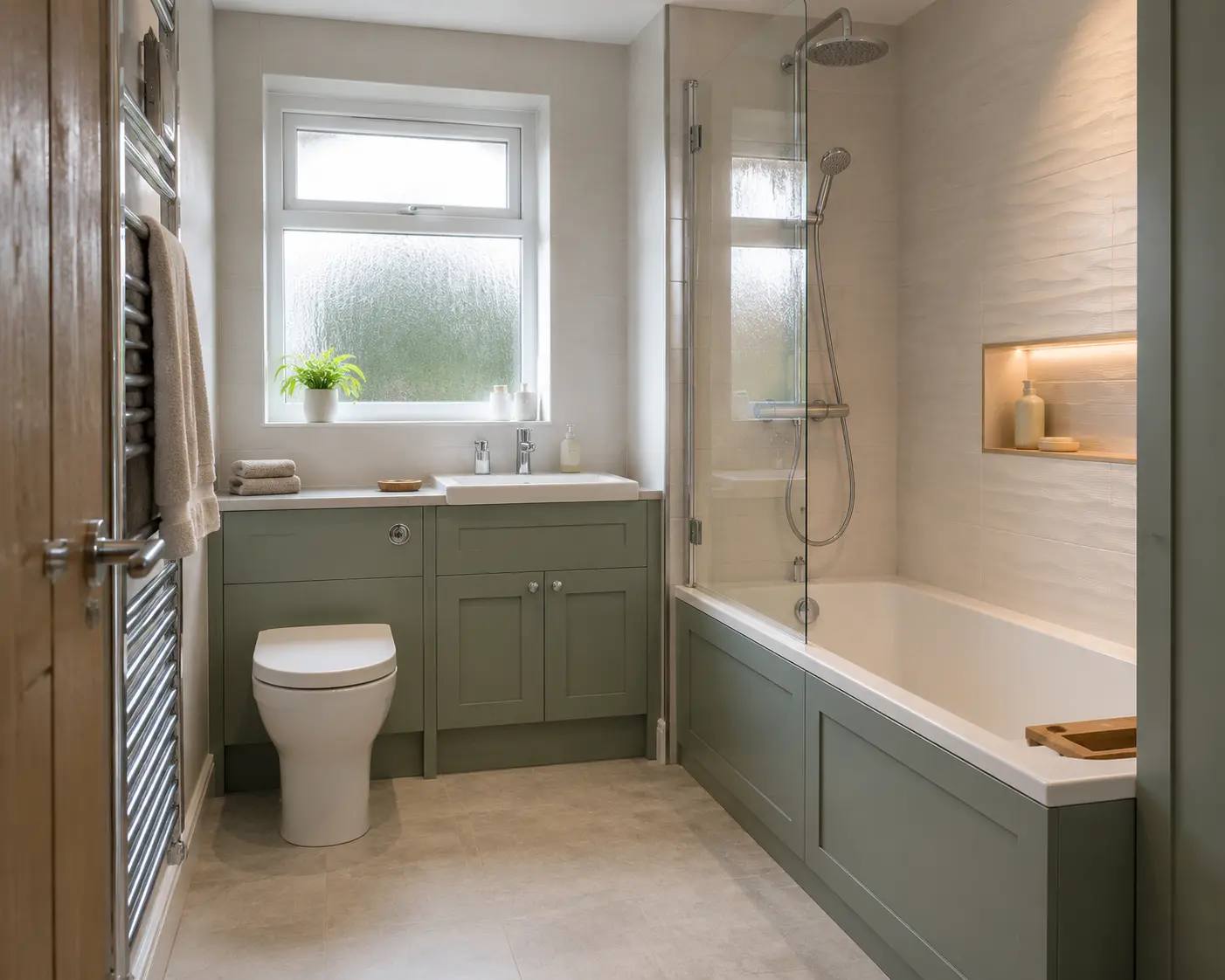
Discuss the missing bathroom before booking
If your home has one bathroom, fitting work affects washing and using the toilet as well as the room itself. Raise that at the first visit. Do not wait until the old suite is being removed to ask what will be available overnight. The answer depends on the work and cannot be safely assumed from another customer’s renovation.
Ask the fitter to describe which facilities will be unavailable and at what stages. Some jobs may allow limited temporary use; others will not. Agree a realistic plan for your household before accepting a start date, particularly if anyone needs frequent toilet access or help with washing.
Make a practical toilet arrangement
A toilet cannot always be left connected throughout a renovation. Floor work, drainage changes or repairs may prevent that. Ask specifically whether it can remain usable, whether temporary reconnection is possible and what restrictions apply. A vague promise to “work around you” does not tell you enough to organise daily life.
If another suitable toilet is needed, arrange it before removal begins. Think about access during the night as well as daytime. The arrangement must suit everyone in the household, not just the person organising the work. Tell the fitter about any important access needs so the schedule reflects them from the start.
Plan somewhere to wash
Find out when the bath or shower will be disconnected and when the new one can first be used. The finishing date is not always the first safe use date, because sealants and other materials may need time to dry and harden. Ask for that waiting period to be included in your planning.
Decide where the household will wash while the room is unavailable. Keep essential toiletries and towels somewhere accessible outside the work area. If you need help from family or another arrangement, confirm the dates and leave some flexibility for a genuine delay. Do not rely on using unfinished fittings after the trades have left for the day.
Prepare the rest of the home
The fitter needs a clear route for tools, products and waste. Move fragile items away from that route and agree how floors will be protected. Choose a storage place for the new suite that does not block daily access. Large boxes can make a small hallway difficult to use long before the bathroom work is finished.
Ask where tools will stay and how children or pets will be kept away from the work area. Keep the entrance and any shared stairs usable. In a flat, discuss deliveries and waste handling with the fitter so neighbours and building access are considered without leaving you to solve those details on the day.
Understand the order of work
Removal usually comes before repairs, plumbing, electrics and preparation for the new finishes. Tiling or panels, flooring and final fitting follow the needs of the chosen system. Certain stages need uninterrupted access or drying time. Knowing the order helps explain why the room cannot always be made usable between each day’s work.
Ask who will update you and how a change to the schedule will be communicated. If hidden damage is found, have the repair and its effect on timing explained before agreeing to extra work. Keep the revised plan in writing, especially if you have arranged temporary accommodation or help from another household.
Keep product decisions ahead of fitting
Missing or unsuitable products can extend the time without a bathroom. Confirm the suite, shower, screens, taps and finishes before the start date, and agree who is ordering each item. Have deliveries checked for damage and missing parts in time to arrange a replacement where needed.
Avoid changing major products once work is underway unless there is a clear reason. A different tray or basin cabinet may require new pipe positions or extra preparation. If a change is necessary, ask about the effect on cost and timing before approving it. Keeping the final product list with the quote helps prevent confusion between early ideas and agreed choices.
Confirm when the room is ready
At handover, ask when each fitting can be used and which care instructions apply. Have the shower, fan and other controls demonstrated. Check that water drains as expected and that any remaining work is written down with an agreed next step. Keep relevant product and test documents together.
Do not let pressure to regain the only bathroom lead to using wet sealant or unfinished electrical work. A short additional wait may be part of the specified installation. The best plan makes that clear in advance, provides a workable alternative while fitting takes place and gives you a definite explanation of when normal use can resume.
Keep one contact number for the person coordinating the job and agree when to raise ordinary questions. A brief planned update is easier than trying to catch several trades separately. If you will be away from the house, arrange access and a way to approve necessary decisions without delaying the next stage.
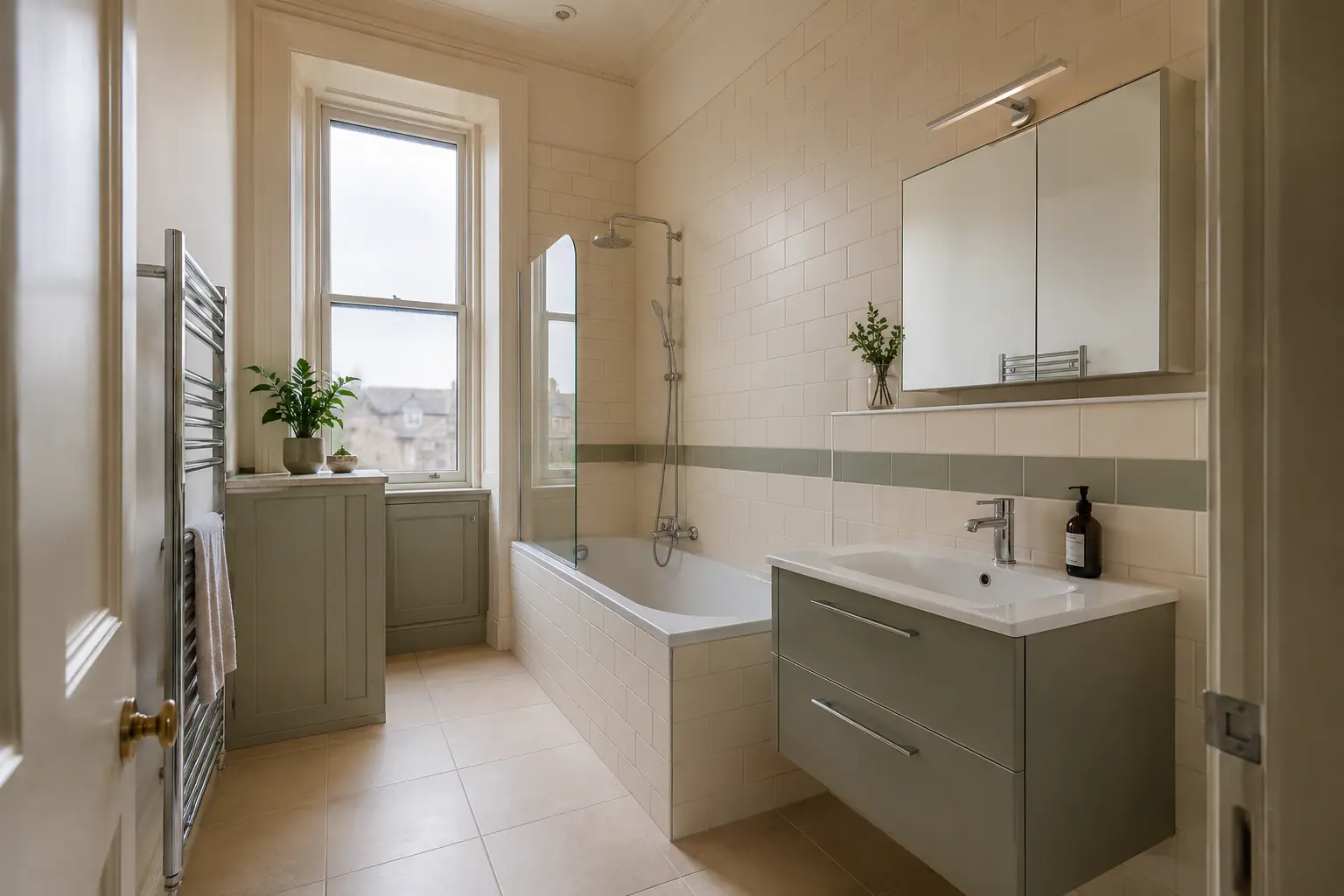

For help with the work described here, see our bathroom installation in Glasgow.
What to remember
Confirm when facilities will be unavailable and plan a suitable alternative.Bathroom fitters Glasgow
Get a quote for your Glasgow bathroom
Tell us what needs changing and add your postcode. We will contact you about the work.