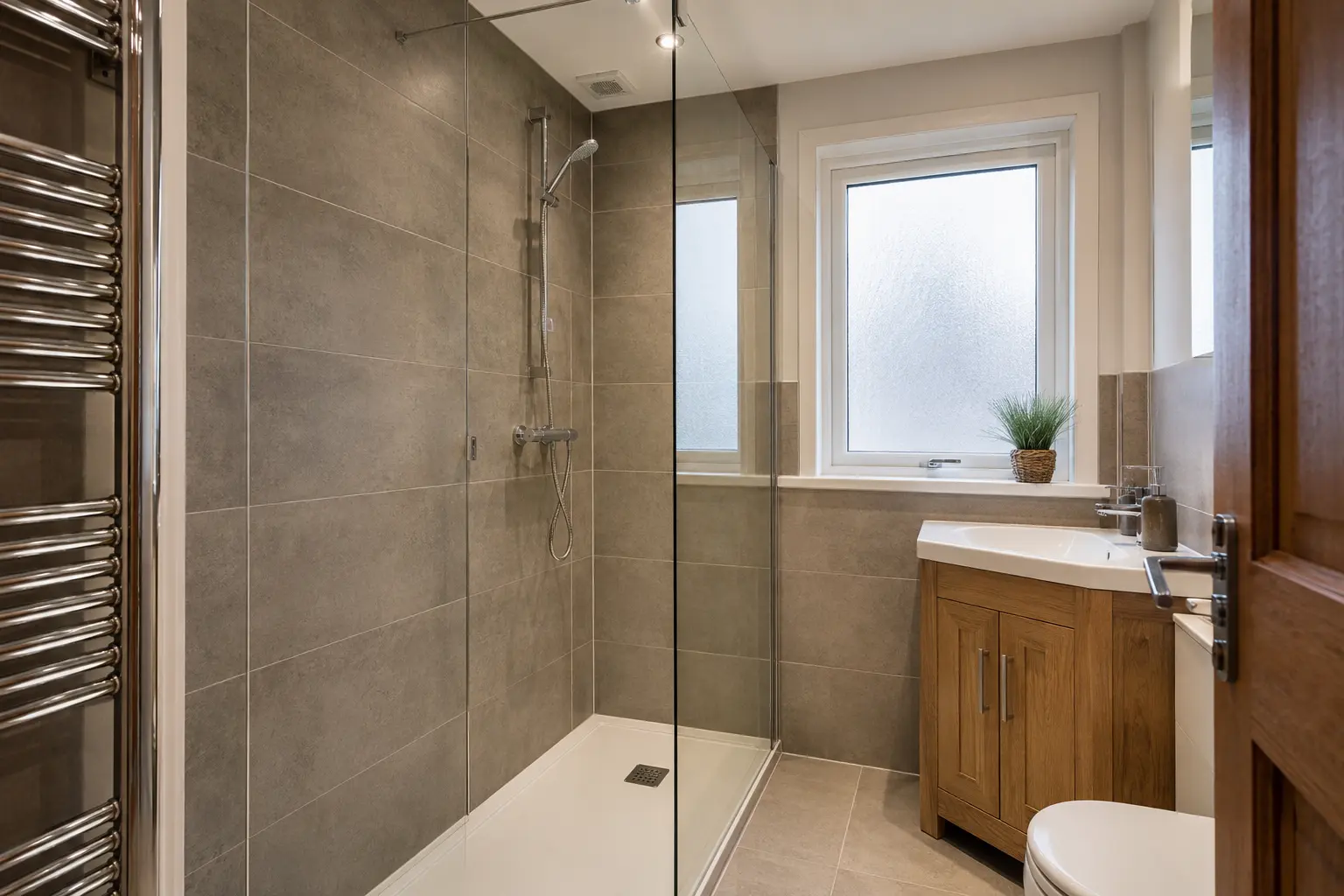
Identify the fault before replacing the shower
A shower that leaks, changes temperature or loses flow does not always need complete replacement. The cause might be a serviceable part, a supply problem or an issue outside the shower itself. Equally, repeated faults or unavailable parts can make replacement worth considering. The first useful step is a diagnosis of the actual problem.
Write down what happens, when it started and whether it affects other taps. Keep the manufacturer and model details if you can find them without opening the equipment. Clear information helps the person assessing the shower choose useful checks instead of guessing from a general description such as “not powerful enough”.
Stop using equipment that may be unsafe
If water reaches electrical parts, there is a burning smell or the unit shows signs of an electrical fault, stop using it and arrange appropriate professional help. Do not remove an electric shower cover or attempt internal checks. A shower combines water with equipment that needs competent assessment and, where relevant, an electrician.
A persistent leak can also damage walls, floors or the home below. Avoid continuing to use the shower while relying on towels to catch water. If you can safely operate a shut-off control you already know how to use, follow the appropriate instructions; otherwise ask for help. The repair decision should follow making the situation safe, not delay it.
Check whether the problem is the supply
Weak flow or temperature changes can involve the water supply, hot-water system or another outlet being used at the same time. A new shower may disappoint if the underlying supply issue remains. Tell the installer whether the problem is constant, recent or linked to a particular time of day.
Do not fit a larger head, pump or higher-rated electric unit as a general cure. The proposed equipment has to suit the system. Ask what has been checked and why a particular repair or replacement is recommended. A clear explanation connects the symptom to the work, rather than assuming that a newer product will solve everything.
Compare a specific repair with replacement
A repair quote should identify the part or fault being addressed and the work included. Ask whether the relevant part is available and suitable for the model. A replaceable cartridge or seal may be a sensible repair where the rest of the shower is in sound condition, but that assessment needs to be made for the actual unit.
Compare the complete costs. Replacement may involve new pipe positions, electrical checks, wall repairs or different accessories. The price of the unit alone is not the installed price. Ask whether the proposed repair is expected to address the diagnosed problem and what further work might be needed if another fault is found.
Consider the condition around the shower
A working valve does not mean the surrounding shower is sound. Check the tray, screen, wall finish and accessible seals for damage or movement. If the shower has leaked for some time, repairs may be needed behind the visible finish. The person inspecting it should distinguish those issues from the shower unit itself.
Where tiles or panels must be opened, ask how the waterproofing and finish will be restored. A local equipment repair can become part of a larger job if the surrounding construction is damaged. Keep the work list clear so you know whether the quote covers only the shower mechanism or the room repairs as well.
Check whether replacement will fit
A replacement unit can have different dimensions and connection positions even when it looks similar. Existing screw holes or an outline on the wall may remain visible. A new mixer or electric shower must also suit the water and electrical arrangements, with the relevant professionals checking those requirements.
Give the installer the exact model before buying it yourself. Confirm what is included with the unit and which head, hose or controls it permits. Avoid mixing accessories on an electric shower unless the manufacturer confirms they are suitable. Keeping the product and installation decisions together reduces the chance of buying something that needs unexpected changes.
Keep the result easy to maintain
After the work, have the controls and how to shut off the supplies safely explained. Keep model numbers, instructions and the repair or installation record. Follow the manufacturer’s cleaning guidance, particularly for heads, hoses and finishes. Ask who to contact if the original symptom returns rather than attempting to adjust hidden components yourself.
Repair is worthwhile when it addresses a diagnosed fault in otherwise suitable equipment. Replacement makes sense when the condition, parts, compatibility or wider renovation justify it. Choose on that evidence and the complete fitted cost, not simply on the age of the shower or the appeal of a new display model.
If the shower is still covered by a stated product warranty, check its terms before arranging work that could affect it. The supplier or manufacturer may need the model, purchase record and description of the fault. Do not assume cover applies, but keep those documents available so you can ask a specific question before paying for parts unnecessarily.
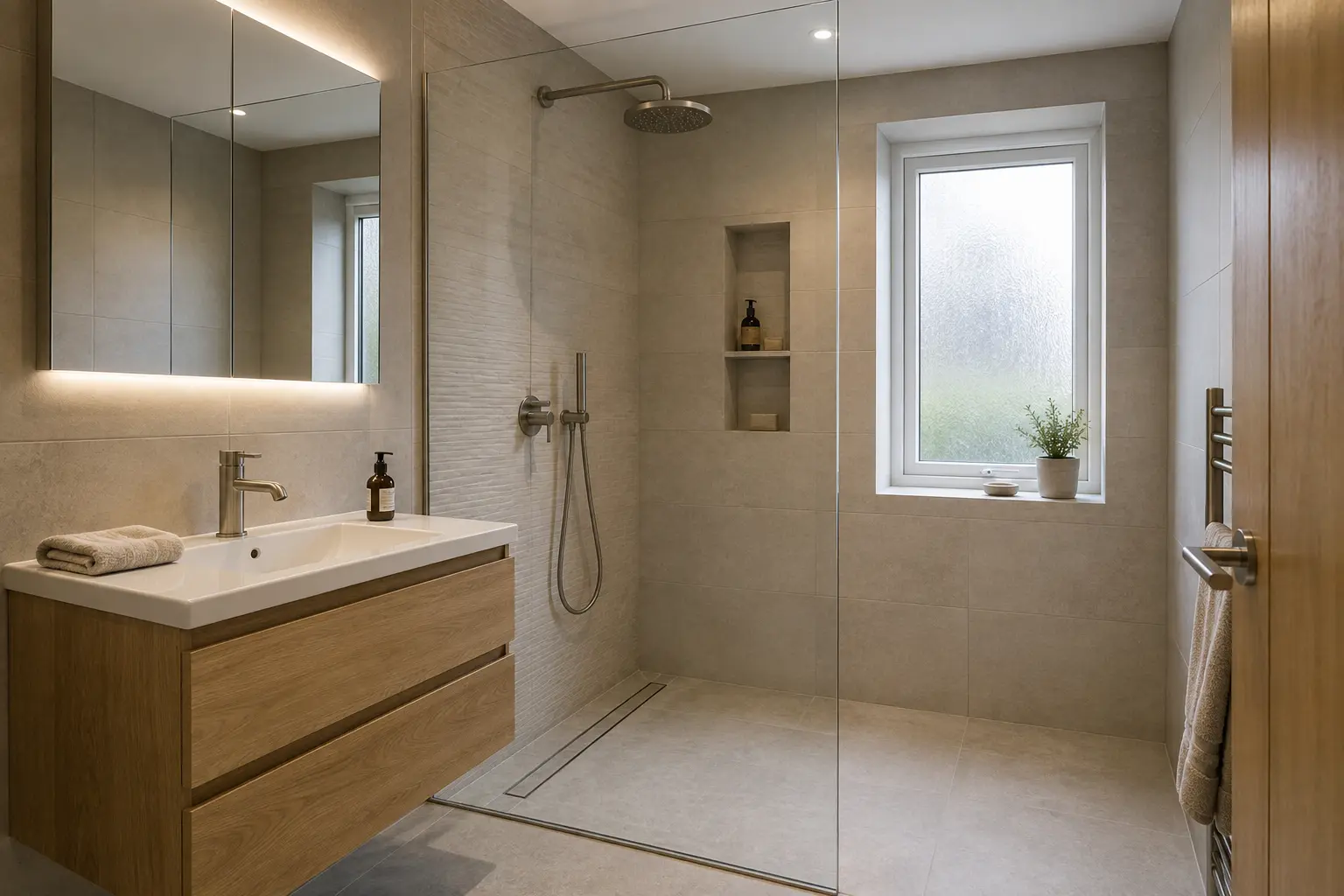
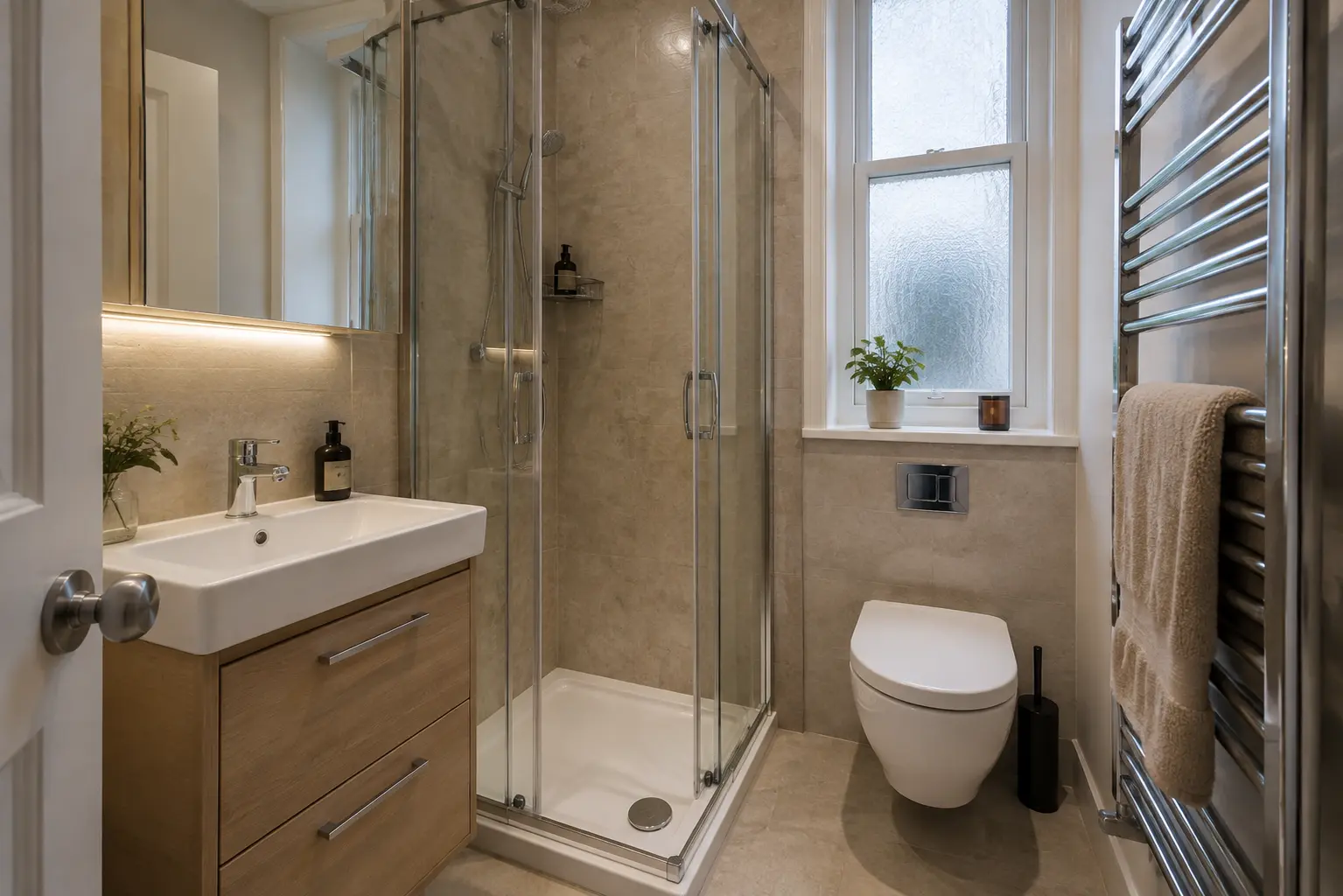
For help with the work described here, see our bathroom plumbing in Glasgow.
What to remember
Compare a diagnosed repair with the complete cost of a suitable replacement.Further guidance
Bathroom fitters Glasgow
Get a quote for your Glasgow bathroom
Tell us what needs changing and add your postcode. We will contact you about the work.